
How to Maintain a Healthy Relationship With Your In-Laws (Without Losing Each Other)
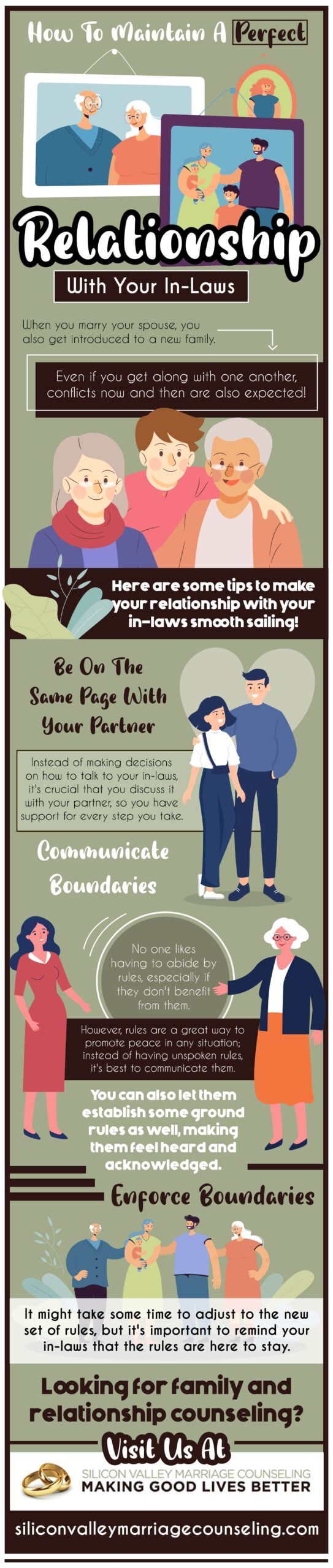
When you marry your spouse, you don’t just marry one person, you’re also introduced to a whole new family system.
Sometimes it’s warm and easy. Sometimes it’s complicated. And sometimes, even when everyone is “nice,” you still feel the tension: the subtle comments, the pressure to show up a certain way, the unspoken expectations, the loyalty binds.
If you’re in Silicon Valley, the stress can be amplified. Busy calendars, long work hours, travel, and the constant push to perform can leave couples with very little margin. In that kind of life, even small family conflicts can start to feel bigger than they are.
Here’s the truth: even if you get along with your in-laws most of the time, conflict now and then is expected. What matters is how you and your partner handle it, together.
A gentle reframe: the goal isn’t “perfect”
The phrase perfect relationship with your in-laws is something many people search for especially when they feel pressure to keep the peace.
But a healthier goal is this: a relationship with your in-laws that feels respectful, clear, and sustainable without sacrificing your marriage.
1) Be on the same page with your partner
Before you decide how to respond to your in-laws, it’s crucial that you and your partner talk first.
When couples skip this step, they often end up in one of two painful patterns:
- One partner feels alone and unprotected.
- The other partner feels torn, caught between their spouse and their family.
Try a short, private check-in before family gatherings or difficult conversations:
- “What would feel supportive to you today?”
- “If something uncomfortable happens, how do you want us to handle it?”
- “What’s one boundary we want to keep as a team?”
Silicon Valley note
High-achieving couples often default to problem-solving quickly. But with family dynamics, speed can backfire. A two-minute alignment conversation can prevent a two-day argument later.
When stress is running high, even a small comment from family can land like a blow so it can help to steady your nervous system first; the APA’s stress-management tips offer a few simple, practical resets you can try before you have the conversation.
2) Communicate boundaries (clearly and kindly)
No one loves being told rules, especially if they feel criticized or excluded.
But boundaries aren’t punishments. There is a way to protect connection by making expectations visible.
If you don’t name boundaries, you’re left with unspoken rules—and those tend to come out as resentment, sarcasm, or sudden blowups.
Here are a few examples of boundaries that many couples find helpful:
- Visits: “We’d love to see you. Let’s plan ahead rather than drop-ins.”
- Parenting: “We’re not taking advice in the moment. If we want input, we’ll ask.”
- Comments: “We’re not open to jokes about our relationship.”
- Holidays: “We’re alternating years so it feels fair and sustainable.”
A key detail: who should say it?
When it’s your family, it usually lands best if you communicate the boundary.
For example, if it’s your mother-in-law, your spouse speaking up can sometimes escalate things because it can be heard as rejection. When you speak to your own parent, it often feels less threatening.
3) Enforce boundaries (with steadiness, not escalation)
It can take time for new rules to feel real—especially if the family has operated the same way for years.
Enforcing a boundary doesn’t mean you argue. It means you follow through.
A simple script can be enough:
- “We’re going to head out now, but we’ll see you next week.”
- “I’m going to pause you there, we’re not discussing that.”
- “We’re not available for drop-ins. Let’s pick a time that works.”
If you enforce boundaries inconsistently, the message becomes confusing. But if you enforce them calmly and consistently, most families adjust over time.
When in-law tension starts hurting your marriage
In-law stress becomes a bigger issue when:
- You and your partner argue after every family interaction
- One of you feels chronically dismissed or unsafe
- Your sex life, friendship, or warmth is shrinking
- You’re avoiding family events—or dreading them for days
- You feel like you’re competing for loyalty
At that point, the problem isn’t just “your in-laws.” It’s the pattern the two of you get pulled into.
How couples counseling can help
Couples counseling can help you:
- Identify the cycle you get stuck in (pursue/withdraw, criticize/defend, over function/under function)
- Build a shared language for boundaries and support
- Repair the ruptures that happen after family stress
- Create agreements that protect your time, privacy, and partnership
If you’re looking for couples counseling in Silicon Valley, you don’t have to keep trying to solve this alone, especially if it keeps repeating.
Ready to feel like a team again?
If in-law tension (including mother-in-law stress) is creating distance between you, support is available.
Schedule a 20-minute consultation: https://azizehrezaiyancouplestherapy.com/silicon-valley/schedule-a-20-minute-consultation/
FAQs
Is it normal to struggle with in-laws after getting married?
Yes. Marriage blends two family systems, and even small differences in expectations can create tension—especially under stress.
What if my partner won’t set boundaries with their mother?
Start with a calm conversation about what would feel supportive and specific. If it stays stuck, couples counseling can help you create a shared plan without blame.
Should I confront my mother-in-law directly?
Sometimes, but often it’s more effective for your partner to address their own parent. Direct confrontation can escalate if it’s heard as rejection.
How do we handle in-laws who drop by unannounced?
Name the boundary clearly (planned visits only), then enforce it consistently by not accommodating surprise drop-ins.
Can couples counseling help with family-of-origin issues?
Yes. Therapy can help you understand the patterns you’re repeating, strengthen your alliance, and create boundaries that protect your relationship.
When should we get help for in-law conflict?
If it’s affecting your trust, warmth, communication, or ability to repair after conflict, it’s a good time to get support.