
The Power of Forgiveness: Healing Wounds and Rebuilding Trust in Bay Area Relationships
TLDR
Forgiveness is not pretending nothing happened. It is a conscious choice to release resentment so you can heal and rebuild trust, whether you stay together or not. In Bay Area relationships, where stress is high and time is scarce, forgiveness often becomes the bridge between pain and repair.
What forgiveness is
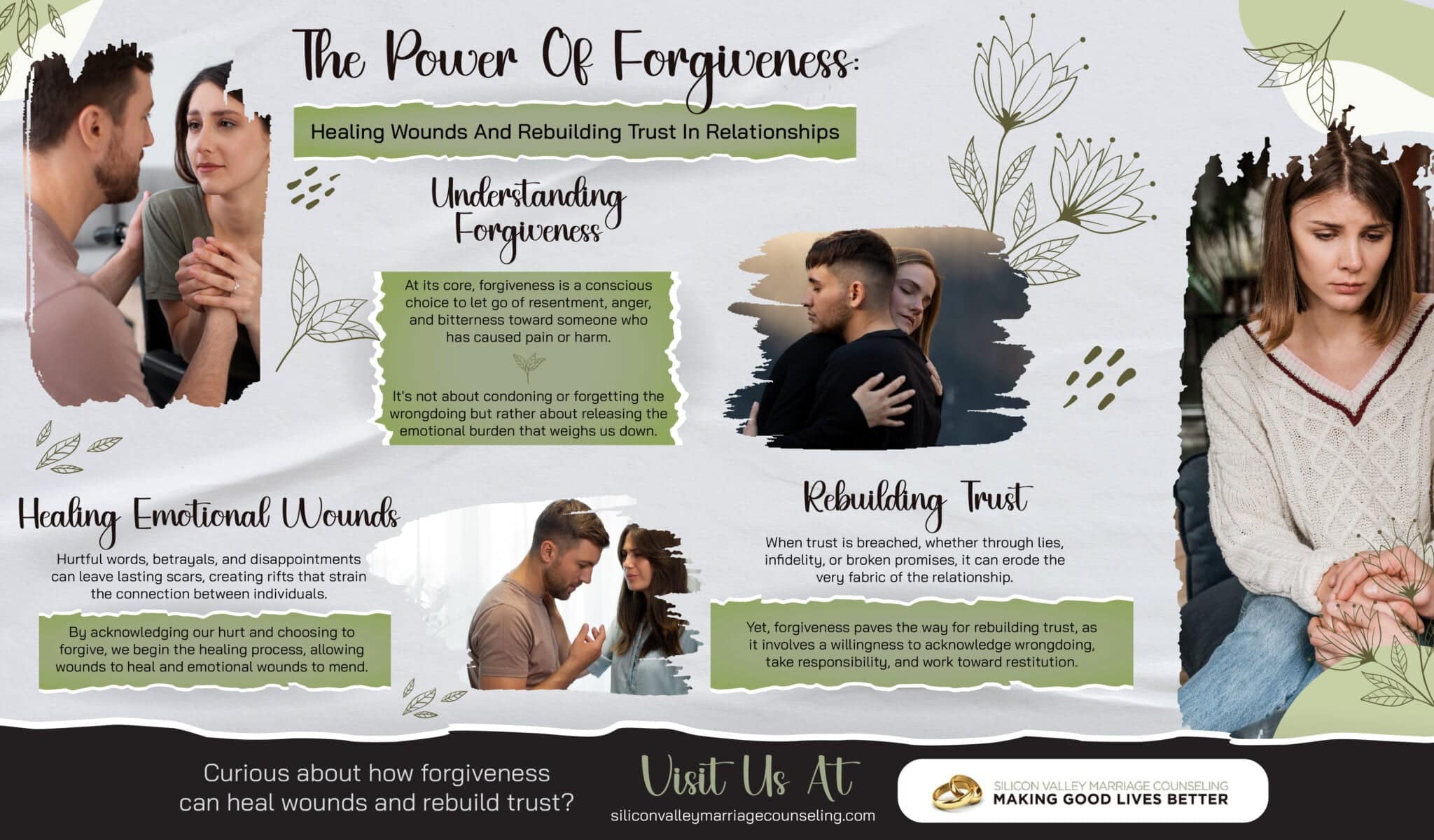
Forgiveness is the decision to let go of ongoing resentment, anger, and bitterness toward someone who caused harm.
It does not mean what happened was acceptable. It means you are choosing to stop carrying the emotional weight forever.
What forgiveness is not
Forgiveness is often misunderstood, especially after betrayal or repeated hurt.
- It is not forgetting
- It is not excusing
- It is not minimizing
- It is not rushing to be okay
- It is not returning to closeness without accountability
Real forgiveness usually requires truth, boundaries, and time.
Why forgiveness matters in Bay Area relationships
In the Bay Area, many couples are balancing demanding careers, long commutes, parenting, and constant mental load. When a relationship gets hurt, the pace of life can push you into survival mode.
Survival mode can look like:
- Avoiding hard conversations because there is no time
- Carrying resentment quietly while staying functional
- Replaying the story at night and feeling anxious or numb
- Becoming roommates instead of partners
Forgiveness matters because resentment is not neutral. It shapes how you interpret your partner, how safe you feel, and how quickly conflict escalates.
Healing emotional wounds
Emotional wounds in relationships often come from:
- Harsh words said in stress
- Repeated disappointment
- Emotional neglect
- Lies, secrecy, or broken promises
- Infidelity or emotional affairs
Healing begins when the hurt is acknowledged clearly.
A simple starting point is:
- What happened
- What it cost me emotionally
- What I need now to feel safer
When couples skip acknowledgment, the wound stays open.
Rebuilding trust after hurt
Trust is not rebuilt through reassurance alone. It is rebuilt through consistent behavior over time.
Rebuilding trust often includes:
- Transparency that matches the injury
- Clear boundaries with people, devices, and habits that harmed the relationship
- Repair conversations that do not turn into blame
- Follow through on small agreements
- Patience with triggers and setbacks
If the hurt involved betrayal, trust rebuilding also requires a shared plan for how you will handle questions, emotions, and accountability without re injuring each other.
When forgiveness is possible
Forgiveness becomes more possible when:
- The person who caused harm takes responsibility without defensiveness
- There is a real change in behavior, not only regret
- The injured partner is not pressured to move on
- Both partners can tolerate uncomfortable emotions without attacking
Forgiveness is not a single moment. It is usually a process.
When forgiveness is not the right goal yet
Sometimes couples try to force forgiveness because they want relief.
It may be too soon if:
- The truth is still unclear
- The harmful behavior is still happening
- There is ongoing manipulation or blame shifting
- You are being asked to forgive while your boundaries are ignored
In these cases, the next step is often clarity and protection, not forgiveness.
Practical steps to begin forgiveness
These steps can help you start without bypassing your pain.
1. Name the injury clearly
Use simple language. Avoid global statements.
Example: I felt abandoned when you hid that from me.
2. Ask for accountability, not perfection
Accountability sounds like:
- I understand why that hurt you
- I take responsibility
- Here is what I will do differently
Create one boundary that protects healing
A boundary is not punishment. It is protection.
Build one small repair ritual
Examples:
- A daily check in
- A weekly conversation with no screens
- A short walk after dinner
5. Track trust with actions, not promises
Trust grows when behavior becomes predictable.
When couples therapy can help
Couples therapy can help when you want to forgive but keep getting pulled back into the same cycle.
Therapy can support you in:
- Naming the pattern without blaming one person
- Processing betrayal, grief, and anger safely
- Learning how to repair after conflict
- Creating boundaries and agreements that rebuild trust
- Reconnecting emotionally and physically at a pace that feels safe
If you are in the Bay Area and you want discreet, experienced support focused on real change, you can reach out to schedule a consultation.
FAQs
What is forgiveness in a relationship
Forgiveness is releasing ongoing resentment while still honoring what happened. It often includes accountability, boundaries, and a gradual return of emotional safety.
Can you forgive without rebuilding trust
Yes. You can release resentment for your own peace while still deciding that trust is not safe to rebuild.
How long does it take to forgive after betrayal
There is no universal timeline. Many couples need months, and sometimes longer, to process the injury and rebuild trust through consistent behavior.
Does forgiveness mean we stay together
No. Forgiveness is about healing. Some people forgive and stay. Others forgive and separate with more clarity and less bitterness.
What if my partner wants forgiveness but will not take responsibility
Forgiveness cannot be forced. Without accountability and behavior change, forgiveness often becomes emotional self abandonment.
Can couples therapy help with forgiveness
Yes. Couples therapy can help you process the hurt, reduce reactivity, rebuild emotional safety, and create a structured path toward trust and repair.