
Economic shifts and layoffs have hit many Silicon Valley couples hard. When one or both partners lose their job, the emotional impact can reach far beyond the financial. As a couples therapist, I often notice how career uncertainty can quietly unsettle the sense of safety between partners. Connection is affected, especially in high-functioning, high-achieving relationships. Identity and success are deeply intertwined in these relationships.
The Emotional Undercurrent of Job Loss
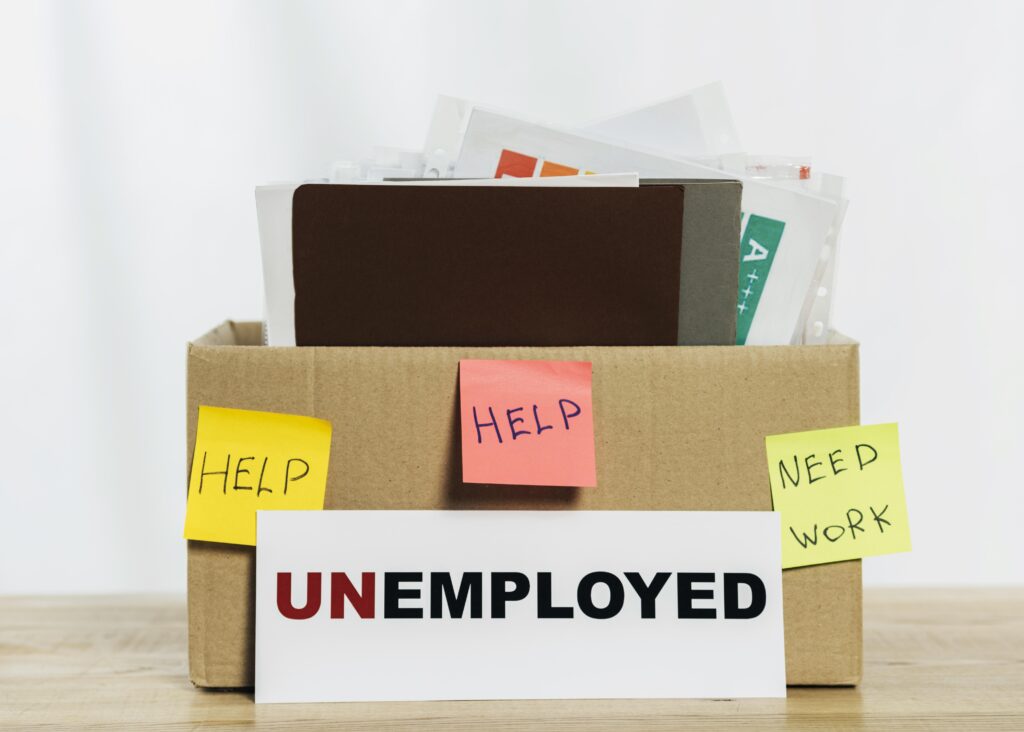
Unemployment isn’t just about losing income; it’s about losing rhythm, predictability, and sometimes, identity.
In high-performing couples, this can look like:
- Subtle irritability or emotional withdrawal
- Heightened anxiety or over-functioning to “fix” the situation
- Shame or feelings of inadequacy that get masked as criticism or distance
“We are our partner’s environment.”
Dr. Stan Tatkin, founder of the PACT Institute
When stress levels rise, our nervous systems become more reactive. It’s easy to shift from connection to protection.
In somatic and experiential work, we slow this process down. We pay attention not just to words. We also pay attention to posture, tone, micro-expressions, and breath. This is the unspoken language of the body. It reveals when partners feel safe or threatened.
Turning Toward Each Other Under Stress
In uncertain times, couples often fall into opposing stress responses. One partner retreats into problem-solving. The other seeks emotional reassurance. Neither is wrong. They are just different nervous system strategies.
Using experiential and PACT-informed interventions, we focus on regulating together. We learn to read each other’s cues. We respond with warmth. We create micro-moments of safety.
This might mean:
Holding eye contact a few seconds longer during difficult conversations
Softening your tone before discussing finances
Reassuring your partner that you’re in this together
These small, body-based adjustments help the relationship stay a secure base, even when the external world feels uncertain.
Rebuilding Security and Creativity
Rituals of connection are another source of security: small daily gestures that keep the relationship grounded. These are especially valuable when external structure (like a work schedule) has disappeared.
When stability is shaken, creativity often emerges. Some couples discover new ways to share responsibilities. They might start a joint venture. Others simply reconnect with what truly matters beyond achievement.
A Gentle Reminder
Job loss can feel deeply personal, but it doesn’t have to isolate you from your partner. With support and awareness, you can turn this period into a turning point. You have an opportunity to build a relationship that’s not just successful, but secure.
If you and your partner are navigating the emotional impact of career change, I’d be honored to help. Let’s find a way back to each other.
FAQ
Frequently Asked Questions
How does unemployment affect a relationship or marriage?
Job loss can shake a couple’s sense of security, raise money worries, and bring shame, anger, or withdrawal into the home. Partners often take each other’s stress personally, which creates distance. Talking early, sharing the load, and treating it as something you face together keeps you on the same team.
How can I support my husband or partner who lost their job?
Listen before you try to fix. Ask what they need, whether that is a plan, space, or simply company. Keep a short daily check-in, treat the loss as a real loss, and celebrate small steps in the search. Avoid comparing timelines. When money talks get tense, look at the numbers first, feelings second, and decisions last.
Can job loss lead to divorce?
Job loss does not cause divorce by itself, but the stress can widen cracks that were already there, especially around money, roles, and closeness. Couples who talk openly and get support early often come through closer. A couples counselor can help you turn the pressure into teamwork.
Why does my husband keep losing his job?
A pattern of job loss can have many causes, such as a poor workplace fit, ongoing stress, anxiety, depression, or burnout. Blame rarely helps. Ask with curiosity, share what you notice without accusing, and encourage support if low mood or worry seems to be part of it. You can read more about male depression treatment and anxiety counseling.
Can losing a job cause depression or anxiety?
Yes, it can. Signs include low mood most days, loss of interest, trouble sleeping, constant worry, or feeling hopeless. Support can help, and a free 20-minute consultation is a simple first step. If you or your partner are thinking about harming yourself, call or text 988 right away.